
The cultural significance of Cornwall’s tin and copper mining heritage is internationally recognised, with its status as an UNESCO (United Nations Educational, Scientific and Cultural Organization) world heritage site. The designation covers ten areas of Cornwall and West Devon which contain significant historical sites - buildings, machinery, mine shafts, even whole villages which grew out of the mining industry and shaped the Cornish landscape, culture and way of life.
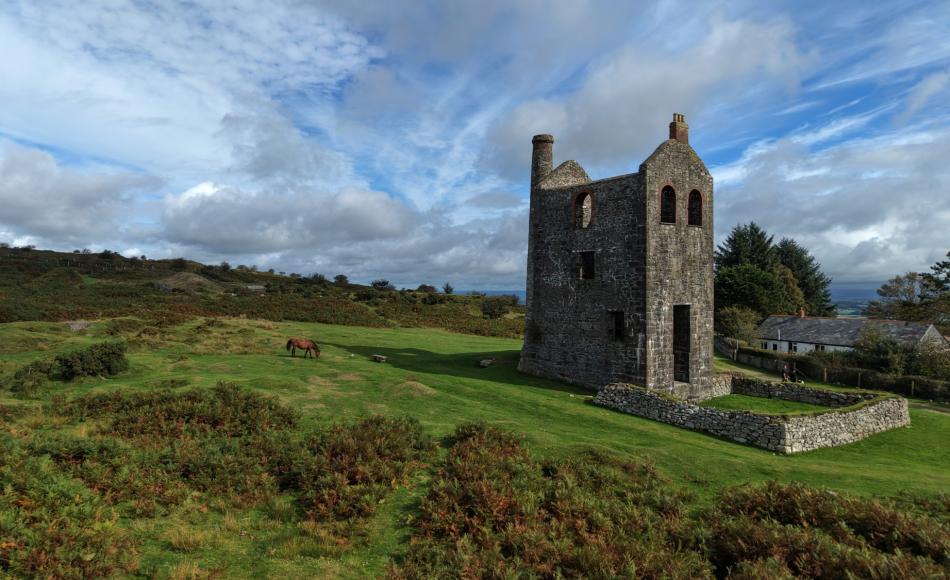
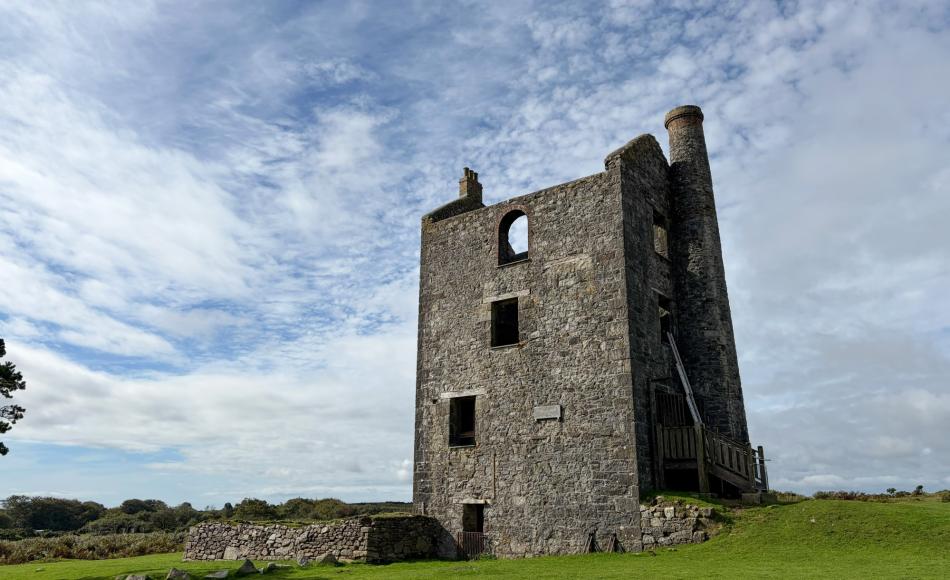
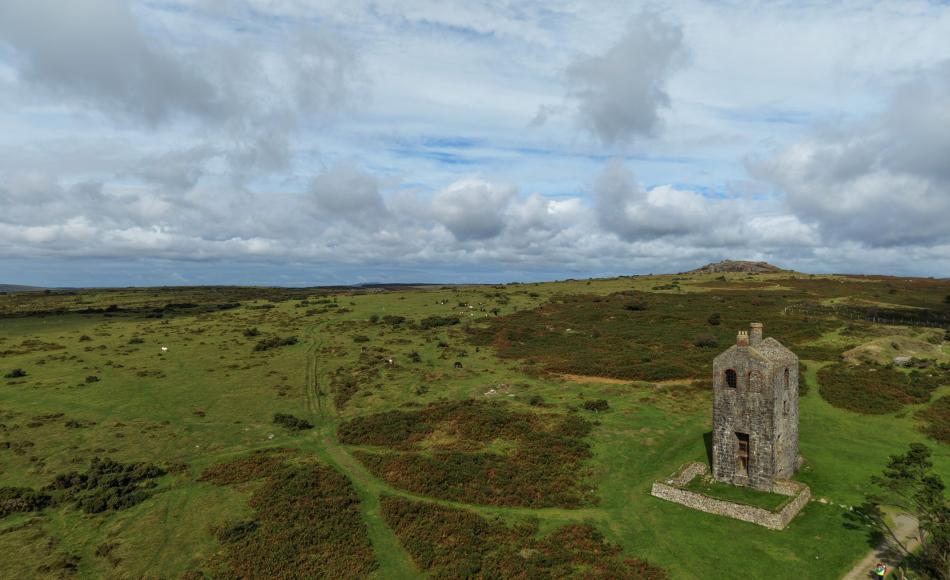
Houseman’s Pump Engine House was built in the eighteenth century as part of the South Phoenix Mine Complex in the heart of the Caradon Mining District to draw water out of the working mine below ground. Initially opened as a copper mine in the 1830s, production changed to tin as copper reserves diminished. Output from the mine was prolific, however, mineral prices slumped and the mine became unprofitable. In 1898 the mine closed, equipment was sold, the shafts were abandoned and many of the buildings demolished. Houseman’s Engine House survived first as a structure adapted into a house and later in the 1990s became a Heritage Centre, telling the historic, archaeological and ecological story of the area. However, after c.25 years the centre closed.
The Cornwall Heritage Trust, a small charity whose mission is to ‘preserve and strengthen’ Cornwall’s iconic heritage, acquired the building in 2025. With assistance from Cornwall Council, the Trust are aiming to reopen the Engine House to visitors. Jonathan Rhind Architects have been brought on board to conserve and repair the fabric of the building, and make sensitive upgrades to be able to reopen the centre to the public.
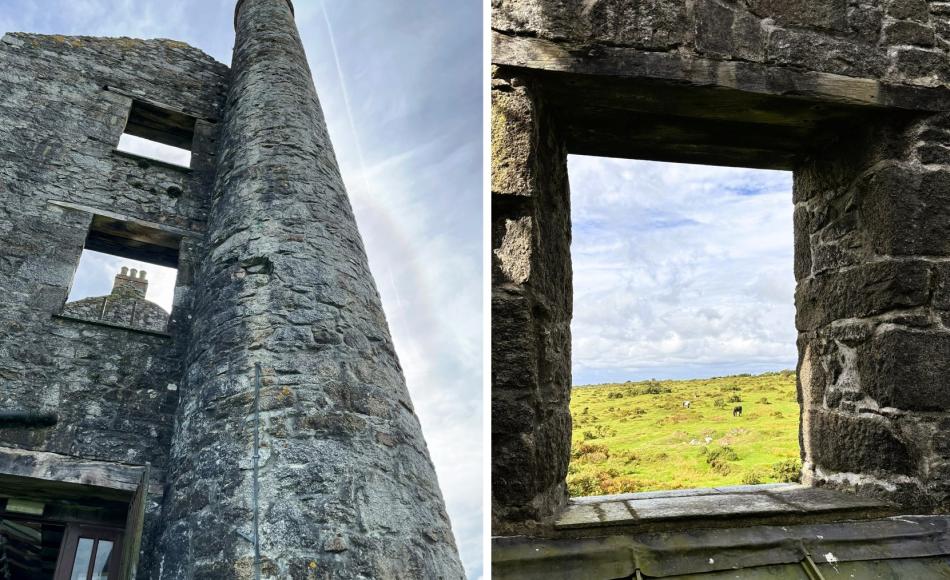
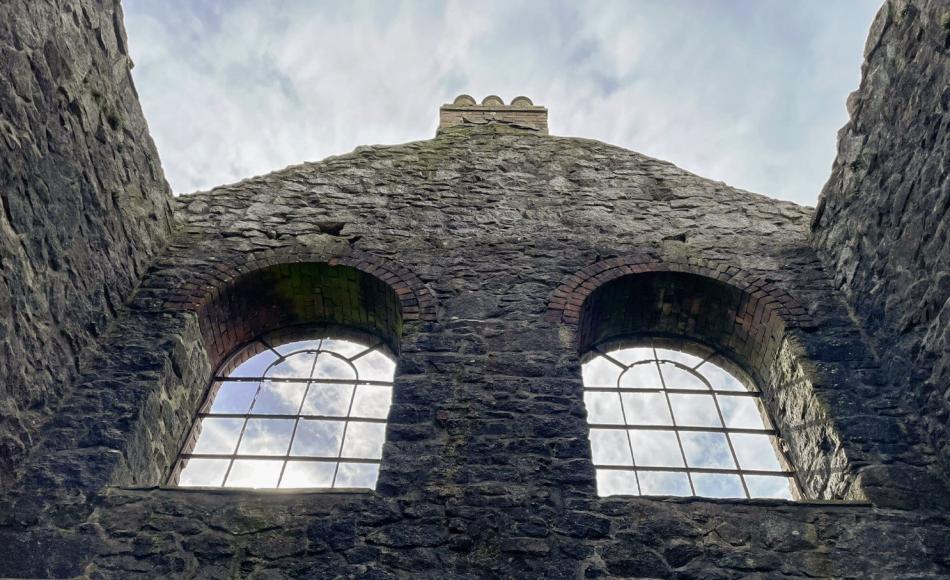
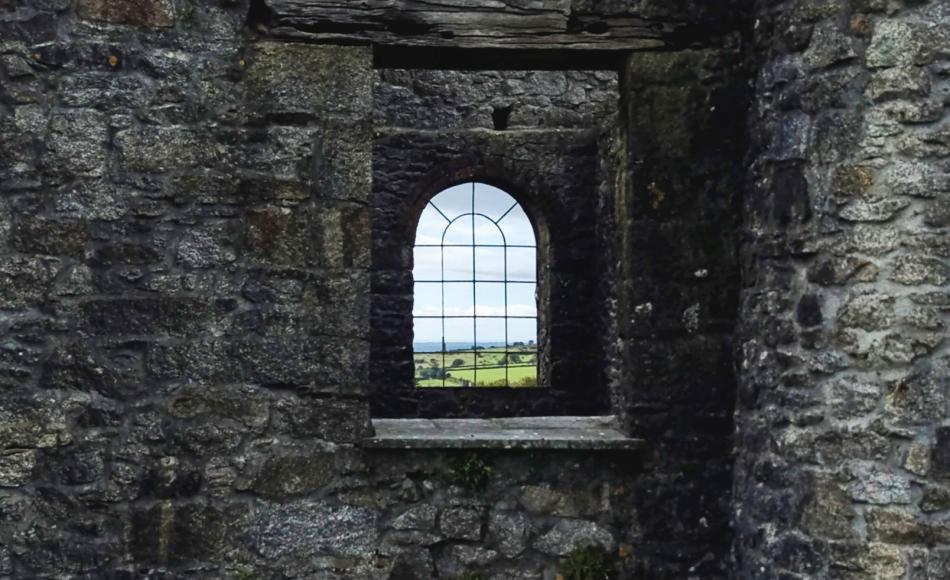
To achieve this the first step is a comprehensive survey to record and understand the current condition of the property and identify issues which need to be resolved. With its exposed location on top of the moor, the building is vulnerable to extremes of weather, and one of the main challenges will be resolving water ingress. Once a survey is completed, recommendations for maintaining and upgrading the building can be made, and opportunities identified for improvements to ventilation, light and access to enable and enhance the visitor experience.
Engaging with buildings such as Houseman’s Engine House enables the community and visitors to understand and connect with the physical heritage of the area. We are thrilled to be bringing back to life this significant building, part of the industrial history which helped shape the Cornish landscape and culture. This is one of many heritage buildings in Cornwall which form part of our broad portfolio of work in the area, from the St Michael’s Mount island estate to private manor houses, and National Trust properties, to coastal home extensions, safeguarding archaeological sites and barn conversions.