
Jonathan Rhind Architects have been appointed by the St Aubyn Estate and The National Trust as Conservation Architects for St Michael’s Mount in Marazion, Cornwall.
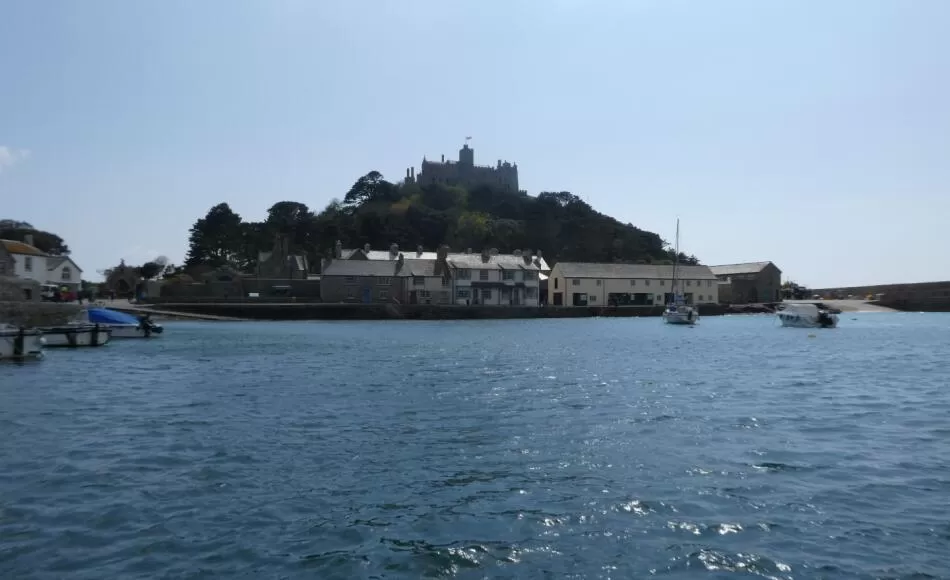
St Michael’s Mount has been home to the St Aubyn family since the mid-17th Century. The current Lord and Lady Levan live in the castle and welcome visitors to the island to discover the legends, soak up the atmosphere and explore the 57 acre estate.
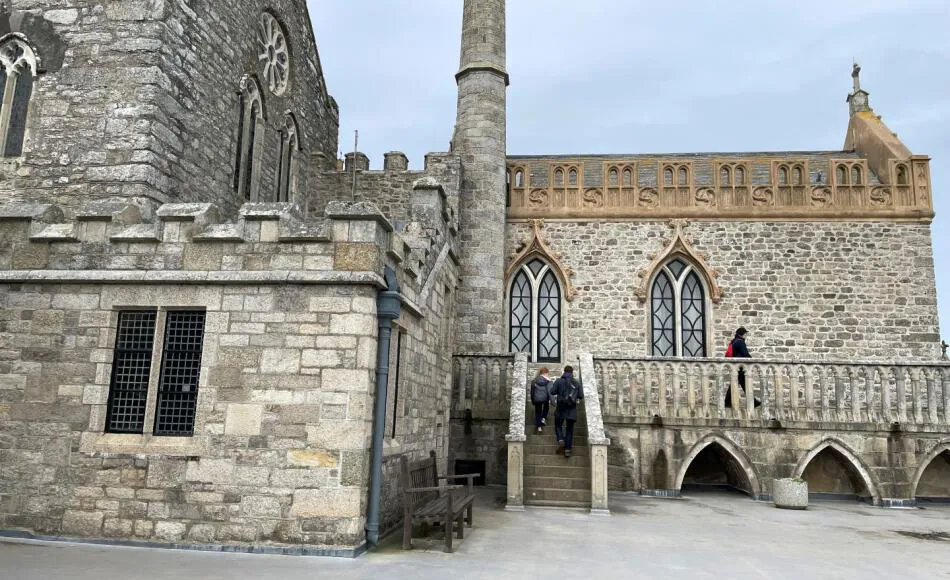
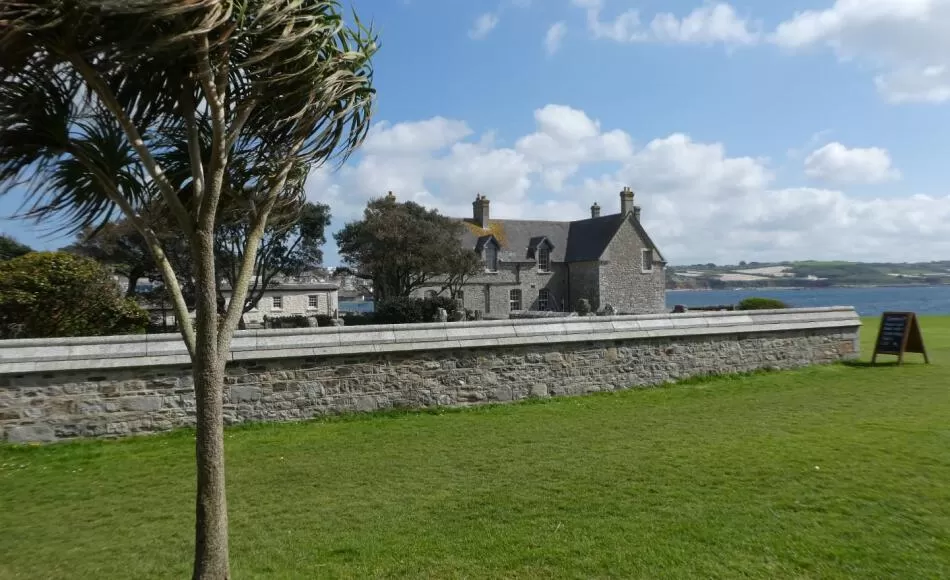
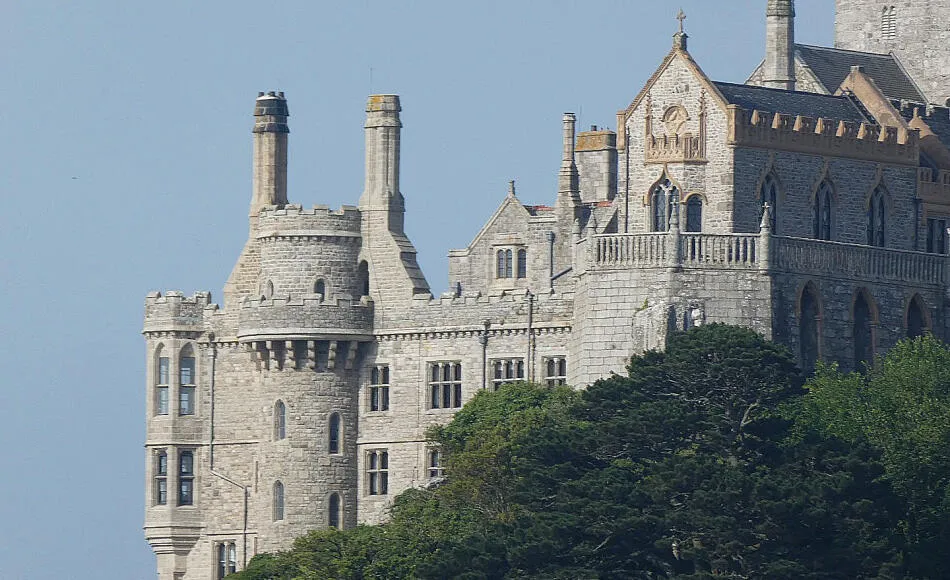
Although the island is dominated by the grade I listed 12th Century church and adjoining castle, there are over 100 listed structures which form the estate on the island, including houses for employees of the estate, a dairy, sail yard, second world war pillboxes and cemetery. The upkeep of these structures is an extensive and carefully planned ongoing exercise and Jonathan Rhind Architects will be working closely with the St Aubyn Estate and National Trust to design and manage this work.
The team will be working towards a long-term strategy for the island’s continued upkeep as well as specifying and detailing for individual projects. Initially the focus will be on upgrading of accommodation, services and the boat landings which ferry visitors to the island at high tide.
Director John Alexander, lead Architect working with the Estate and the National Trust, said of the project: 'It is very exciting to get to intimately understand these hugely historically important buildings and how best to maintain and conserve them in the context of the occupants and visitors on the island.'