


How far the architect is involved in the project during the construction phase is up to the client, but at the end of the project, the Building Control Officer will require the Principal Designer to sign off the design and say that it meets Building Regulations. If the Architect is not administering the contract onsite, dealing with queries and issues as they arise, it is difficult for them to sign off the design at the end of a project as they have not been in control of ensuring compliance as the project develops; with potential for changes in specifications, evolving client requirements and issues arising during the build.
The contractor is also required to sign off building regulations and confirm the project has been built to the drawings and therefore meets the building regs. This, in essence, means that the Principal Designer needs to be involved until design changes are complete; in practice right until the end of the project.
Whilst it may be possible on smaller simple projects, such as a house extension, to sign off the drawings at tender stage, Principal Designer responsibilities would then pass back to the client, unless your Principal Contractor is willing to also take on the Principal Designer role. It is therefore becoming increasingly difficult to complete a built project without retaining your architect on site. Below explains some of the history and further detail behind recent legislative changes which have expanded the Principal Designer role.
The position of the architect in signing off design of construction and the role on site
The responsibilities of the architect have evolved with the introduction of new legislation to improve safety in the built environment. Although fundamentally the architect’s role hasn’t changed, the rules around the sign off of work have been tightened to put more emphasis on accountability for the safety of design and construction.
The legislation which puts a Principal Designer and Principal Contractor for Building Regulations in place
In the wake of the Grenfell Tower tragedy, the Building Safety Act 2022 (BSA) was introduced to improve standards in the design, construction and management of buildings. It is an important piece of legislation which increases accountability and transparency.
Although the BSA is mainly targeted at Higher Risk Buildings (HRBs) – buildings over 18m or 7 storeys high with a minimum of two residential units – the regulations affect all construction projects including small domestic projects.
The BSA legally requires the Client to appoint a Principal Designer and a Principal Contractor to building projects to ensure that the design and the construction comply with Building Regulations. This is to improve safety across all building projects and is a positive move towards a safer built environment for users.
The Principal Contractor role will generally fall to the contractor building the project, unless specifically appointed otherwise by the client. They will ensure the building work undertaken complies with Building Regulations.
What does the Principal Design role involve?
The Principal Designer ensures that the designs are compliant with Building Regulations, and can only be carried out by a party creating or modifying drawings, specifications or calculations. If a client appoints a professional designer ie an Architect or Engineer, then they automatically assume the Principal Designer role, unless the role is formally appointed to someone else.
To clarify one very confusing point, the Principal Designer role under BSA legislation is different from the Principal Designer role under Construction (Design and Management) (CDM) 2015 regulation, which ensures Health and Safety during the building works, although the roles can be carried out by the same person.
How does this work in practice?
When you commission an architect there are distinct stages defined by the Royal Institute of British Architects (RIBA) covering all parts of the building project from the initial brief / feasibility of a project to the handover of the completed build. For more information on this, our approach to these stages is explained fully on the Approach page of our website.
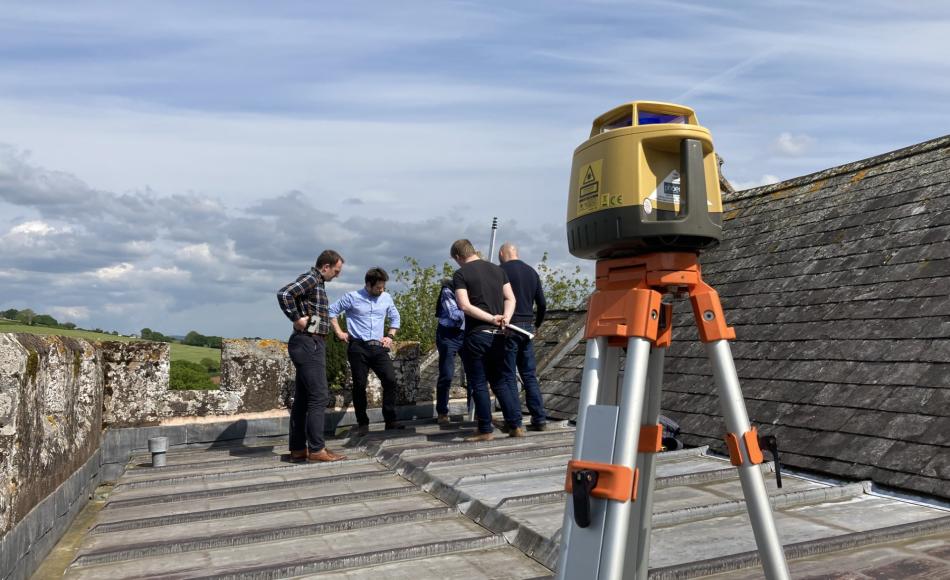
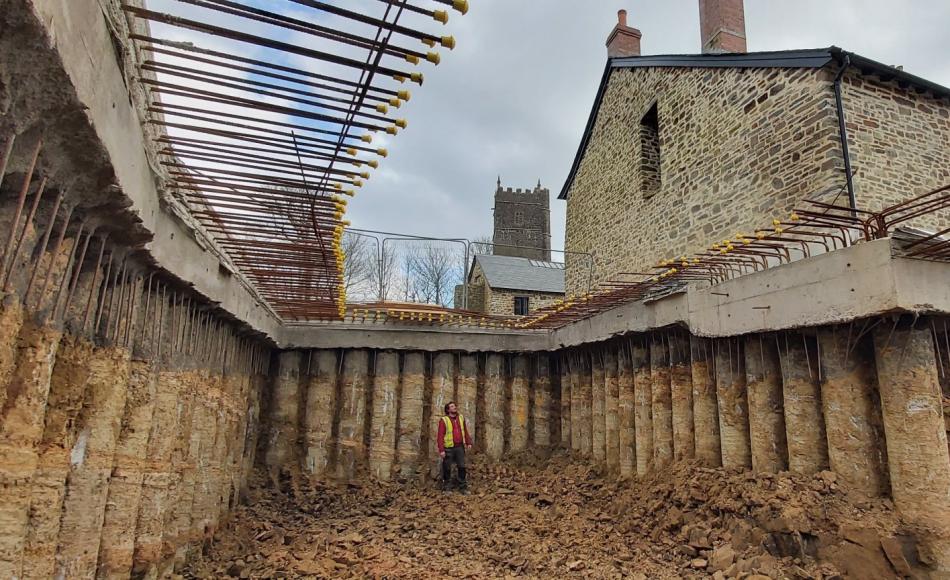
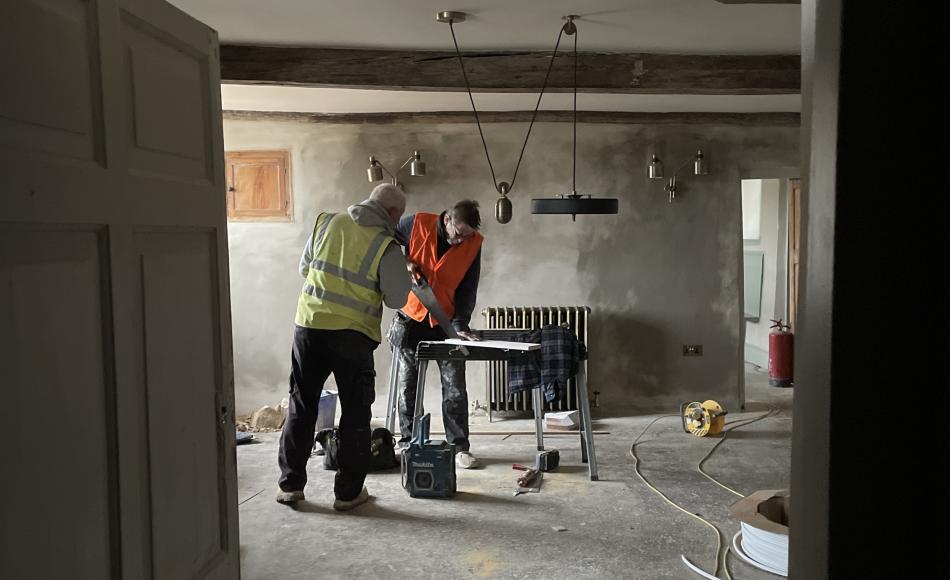
The architect can see a project through from initial brief all the way through to handover of the building and dealing with any issues that arise following occupation by the client. This full service would include contract administration of the project on site. This means that the architect would regularly visit site to inspect the works as they progress, referencing the drawings and ensuring the work being carried out meets the specifications. If there are any issues, they can resolve them promptly ensuring the work meets the expected quality and minimising the risk of expensive delays.
Maintaining and continuing a dialogue with the contractor ensures the works are carried out to the client’s expectations, achieve the required quality of workmanship, adhere to the specified design and therefore achieve Building Regulation standards. The role of the architect and relationship with the client is also much more than this, as the creative flair and fun of designing a project and achieving beautiful interiors and beautiful buildings, can continue to be a shared responsibility between the client and architect. We work at many different levels, and may include full joinery, colour, tile and paint specifications down to door handles and ironmongery, or we can simply provide the building for clients to make these selections. Ultimately, it is up to you how much you would like to get involved or run many of these decisions.
What if I am confident managing my own project?
If the client is confident in liaising with the contractor directly, they may wish to organize a contract, and negotiate and run this themselves with a contractor. The architect’s role would end at the point of supplying technical drawings for the contractor to work from. An experienced contractor should be able to ensure the build progress as expected, although the architect won’t be on hand to check the quality and standard of workmanship and materials, sign off on variations and issue valuation certificates. Crucially, due to the changes in the act, we would be handing the Principal Designer role back to you as client, and unless the contractor is willing to take on these responsibilities, you would be responsible for ensuring the design will meet building regulations. From experience, we are confident that the architect's role will pay for itself, not just in the quality and certainty of delivery, but also financially, in the ability to keep control of a project on site and not have overruns or excessive value engineering from a contractor.
The new regulations are positive step to ensure greater transparency and accountability for safety in building, and should create a culture shift in attitudes towards compliance.
As a client it is important to bear in mind the responsibilities afforded to the different roles required in a project, and the level of input you require from your architect to achieve a build you can both be proud of as well as making the most of the effort and financial input needed to realise a building project.
If you would like to have an informed discussion about architect involvement in your project, at no cost and no obligation, please do get in touch, and one of our directors or experienced architectural staff would be happy to discuss your project.